



Have questions?
Speak to our Admissions team via live chat from 9.30am to 4.30pm, Monday to Friday or email admissions@capel.ac.uk.

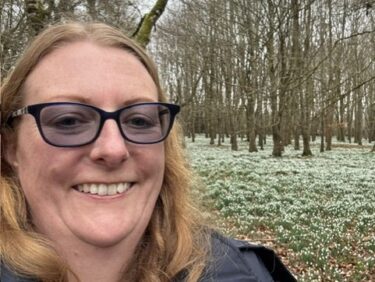
Hello and congratulations on your offer to study with us! I'm delighted you've chosen to join our wildlife and environmental conservation department at Capel Manor College.
Whether you're passionate about wildlife, protecting the environment or simply enjoy being outdoors, you've chosen a course that will challenge you, develop your confidence and give you real practical experience.
Environmental conservation is about understanding, protecting and improving the natural world. It combines practical land management skills with ecology, habitat restoration and sustainability, helping to tackle some of today's biggest environmental challenges. Our aim is to help you develop these skills in a supportive environment where learning is practical,
relevant and enjoyable.
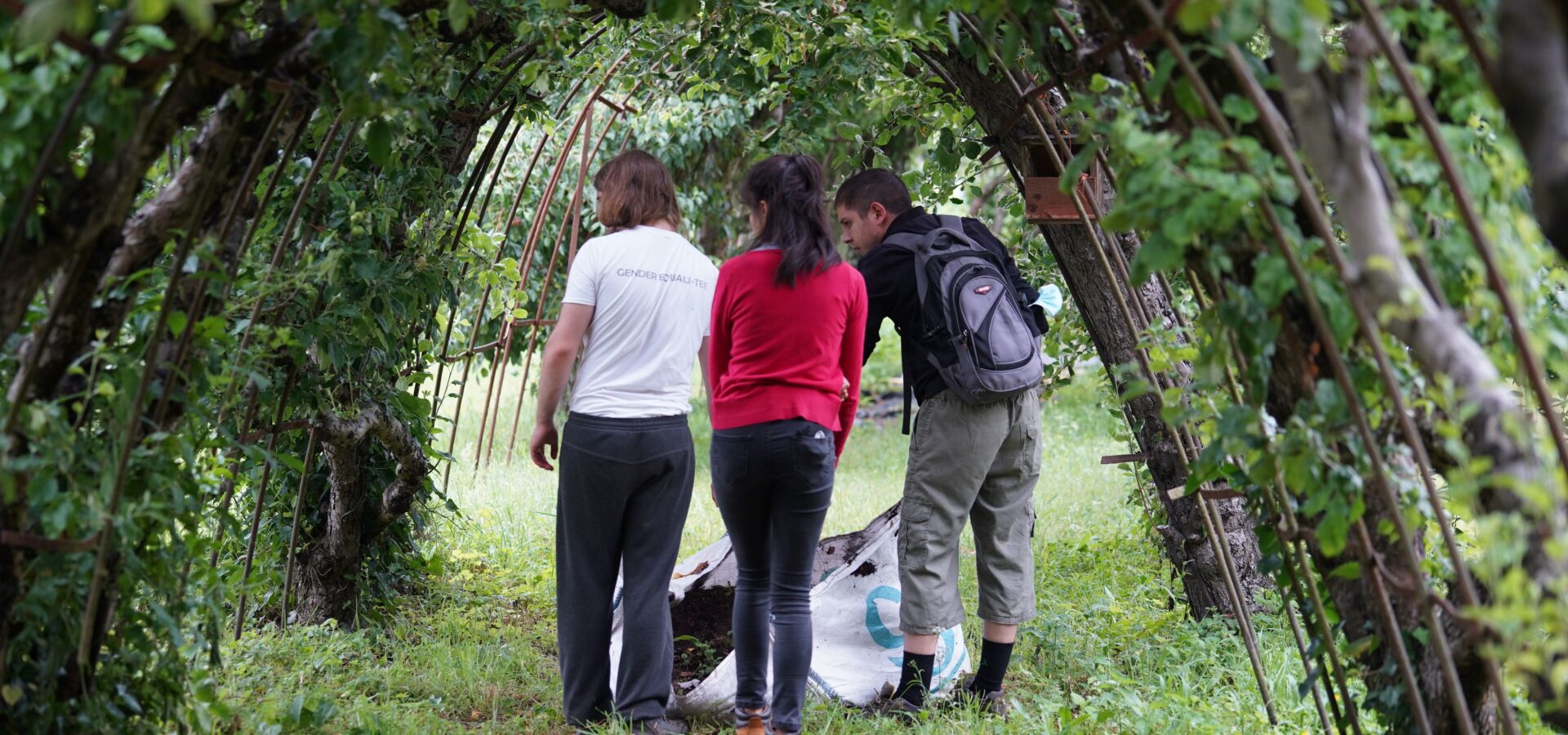
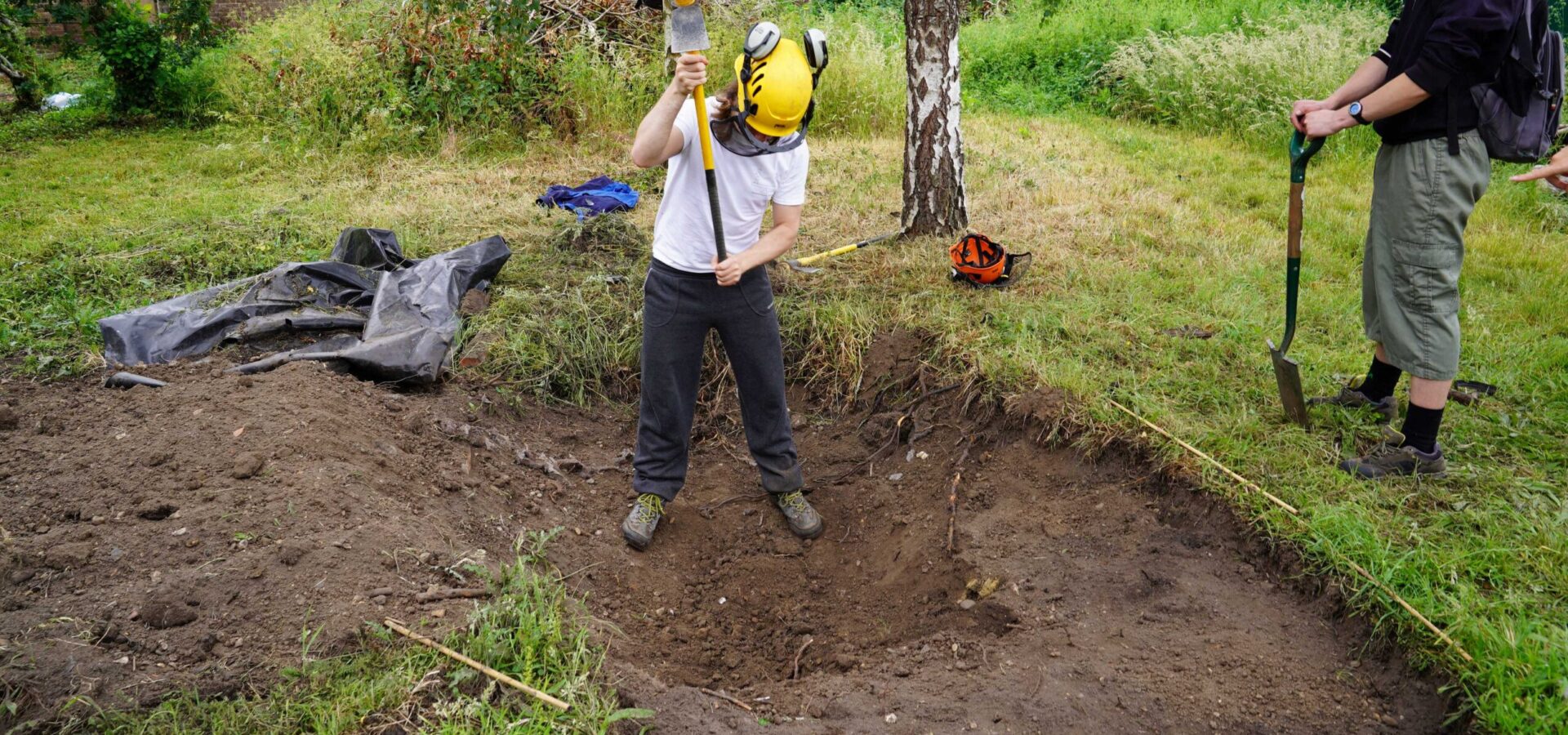
Depending on your course you'll be based at either the Enfield or Mottingham Campus, learning across a variety of habitats including woodlands, grasslands, wetlands and working landscapes. Practical learning takes place both on campus and at local conservation sites, giving you the opportunity to develop your skills in real environments while working on projects that benefit wildlife, habitats and local communities.
Our team has a wealth of industry experience and we're passionate about helping learners succeed. We know everyone arrives with different experiences and levels of confidence, and we'll support you every step of the way.
I hope you're as excited as we are to get started! We look forward to welcoming you in September and helping you begin the next stage of your journey.
Conservation offers a wide range of rewarding careers. Our students progress into roles including:
• Countryside Ranger
• Conservation Officer
• Ecologist
• Nature Reserve Warden
• Environmental Consultant
• Habitat Surveyor
• Woodland Officer
• Sustainability Officer
• Wildlife Trust Officer
• Further and Higher Education
• Apprenticeships
Our aim is to help you develop the skills, confidence and experience to take the next step,
whatever that looks like for you.
Throughout your course you'll gain experience in:
• Habitat management
• Wildlife identification
• Woodland management
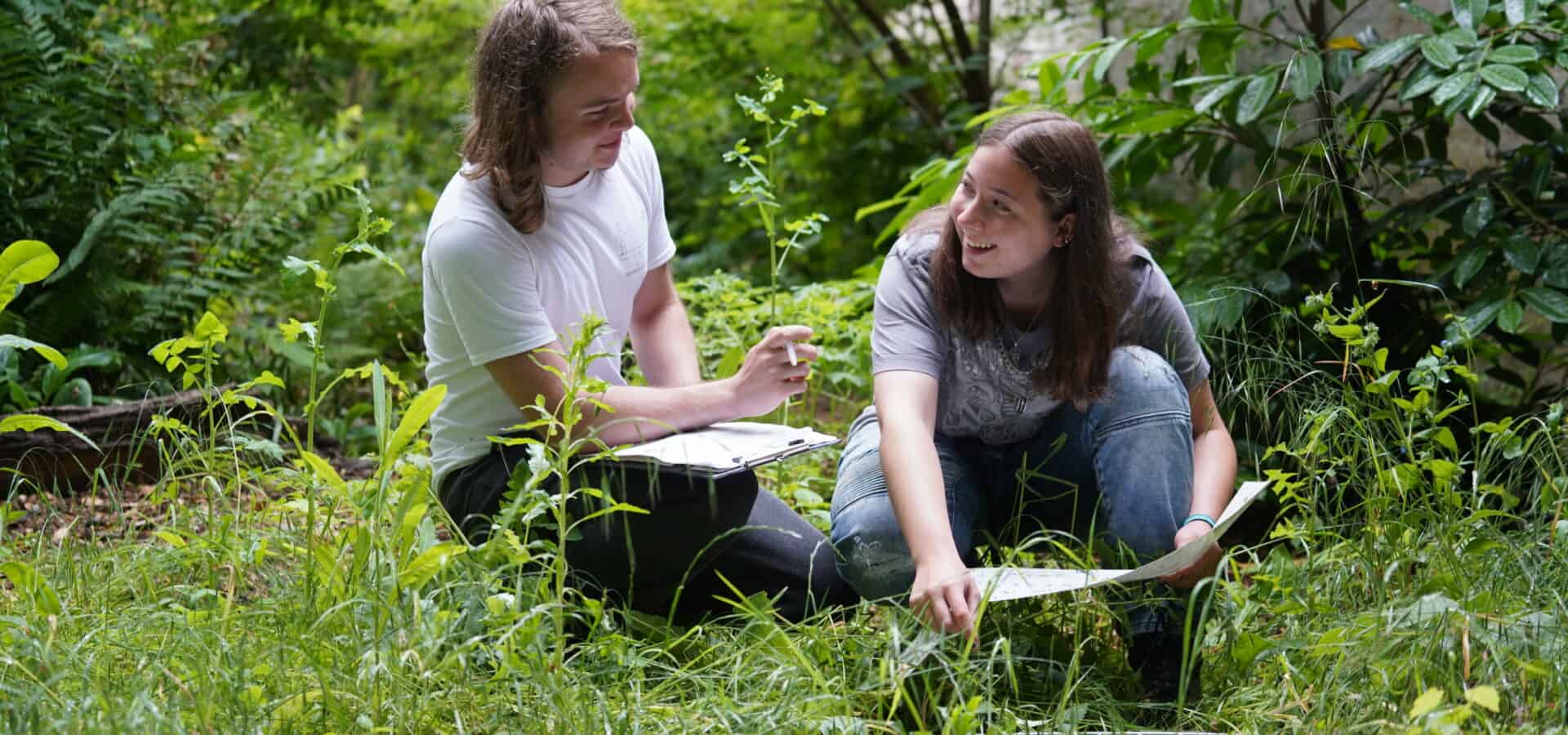
• Ecology and biodiversity surveys
• Practical conservation techniques
• Sustainability and climate change
• Practical countryside skills
By the end of your course, you should be able to:
• Identify a range of common plants, trees and wildlife
• Understand how habitats are managed and protected
• Carry out practical conservation tasks safely
• Show surveying and environmental monitoring skills
• Work confidently as part of a professional team
• Show valuable experience for employment
• Show that you're ready for employment, an apprenticeship or further study
We encourage you to take the first steps towards finding a work placement, as you know the areas you can travel to best. A simple email or phone call can often be the start of a valuable industry connection.
Once you begin your course, we'll support you through the placement process and complete the necessary health and safety checks with your chosen employer.
If you're unable to secure a placement yourself, don't worry. We'll work with you using our network of conservation organisations, charities and employers to help you find a suitable opportunity.
• Meet conservation professionals and employers
• Visit nature reserves, country parks and environmental organisations
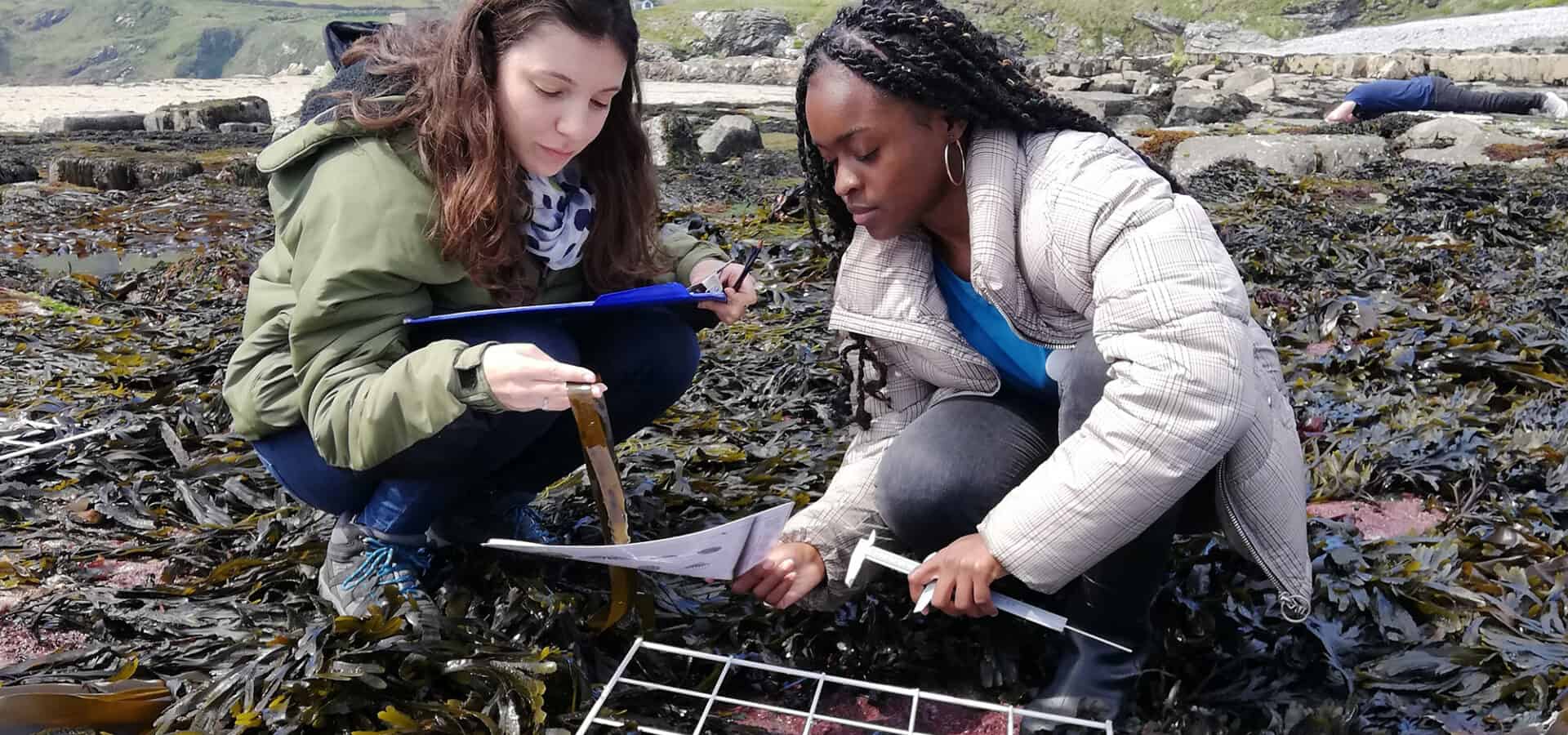
• Take part in habitat management and biodiversity projects
• Develop practical fieldwork and surveying skills
• Complete industry work experience
• Develop employability and teamwork skills
• Build your CV before leaving college
Have questions?
Speak to our Admissions team via live chat from 9.30am to 4.30pm, Monday to Friday or email admissions@capel.ac.uk.